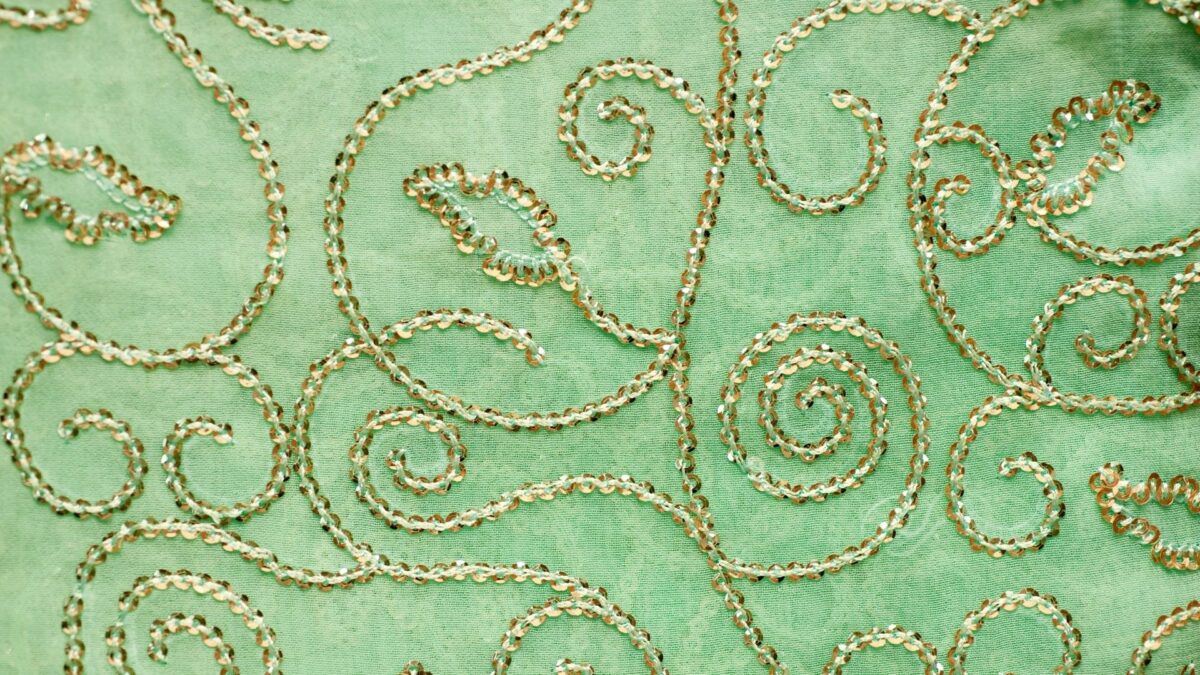
Embroidery has long been a hallmark of Indian fashion, celebrated for its intricate craftsmanship and timeless elegance. From traditional hand embroidery techniques passed down through generations to contemporary trends that blend heritage with modernity, embroidered fabrics continue to captivate fashion enthusiasts worldwide. Explore the rich heritage of embroidered fabrics in Indian fashion, discover popular techniques, and uncover the latest trends shaping the industry today.
Traditional Embroidery Techniques
- Zardozi: Originating from Persia, Zardozi involves using gold and silver threads to create intricate patterns on fabrics like silk and velvet. This opulent embroidery technique is often seen on bridal wear and formal attire, adding a touch of luxury and grandeur.
- Kantha: Hailing from West Bengal, Kantha embroidery is characterized by running stitches that create beautiful motifs and patterns. Traditionally done on cotton sarees and garments, Kantha stitching has gained popularity for its simplicity and artisanal charm.
- Chikankari: Originating from Lucknow, Chikankari involves delicate white thread embroidery on fine muslin or cotton fabrics. This fine craftsmanship showcases floral motifs, paisleys, and intricate patterns, making it a favorite for summer ensembles and ethnic wear.
Contemporary Interpretations
- Machine Embroidery: With technological advancements, machine embroidery has become prevalent in Indian fashion. It allows for precision and intricate designs on various fabrics, catering to both mass production and bespoke creations.
- Embroidered Appliqué: This technique involves attaching pieces of fabric onto a base fabric, often embellished with embroidery to create depth and texture. It’s used extensively in modern ethnic wear and designer collections for its artistic appeal.
Trends in Embroidered Fabrics
- Minimalist Embroidery: Contemporary fashion leans towards minimalist designs with subtle embroidery that enhances the fabric’s beauty without overwhelming the garment.
- Mixing Textures: Designers experiment with combining different embroidery techniques and textures to create visually dynamic outfits that stand out.
Incorporating Embroidered Fabrics in Fashion
- Bridal Wear: Embroidered fabrics like silk, velvet, and net are staples in bridal couture, offering brides intricate detailing and luxurious textures for their special day.
- Festive and Occasion Wear: From sarees and lehengas to sherwanis and anarkalis, embroidered fabrics are a popular choice for festive occasions, celebrations, and cultural events.
Sustainable Practices
- Revival of Handloom: Embracing sustainability, designers are promoting handloom fabrics with traditional embroideries, supporting local artisans and preserving heritage crafts.
Embroidered fabrics hold a special place in Indian fashion, reflecting centuries-old traditions and evolving with contemporary trends. Whether it’s the timeless allure of Zardozi or the delicate charm of Chikankari, these techniques continue to inspire new creations and celebrate the artistry of Indian craftsmanship.